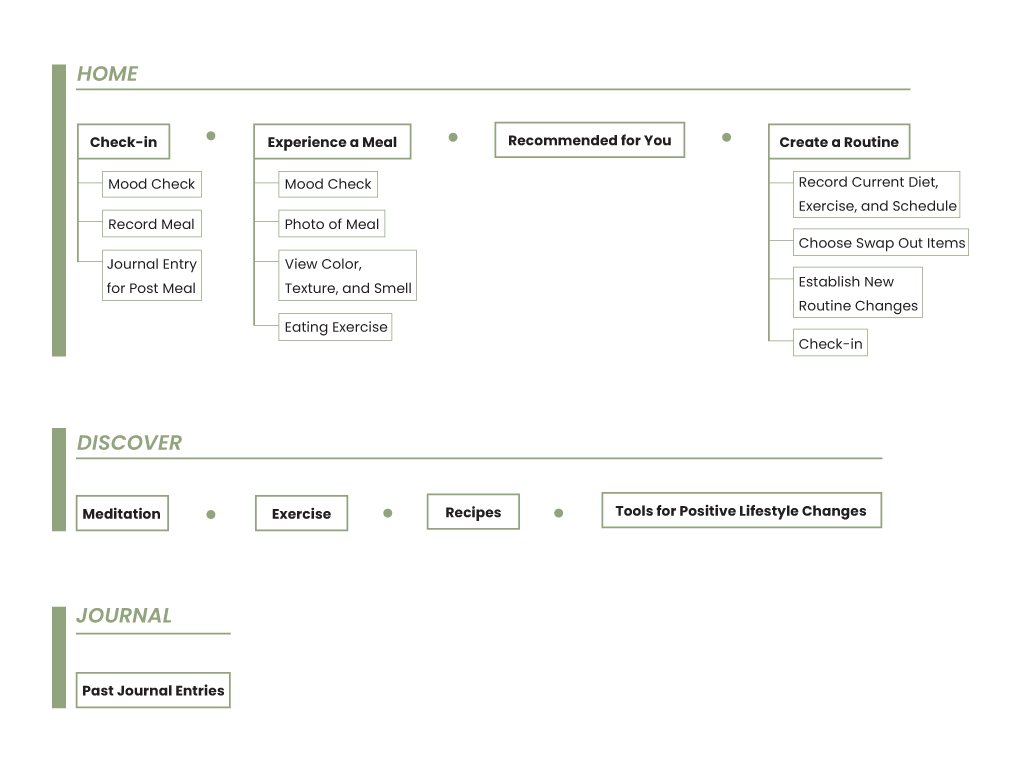
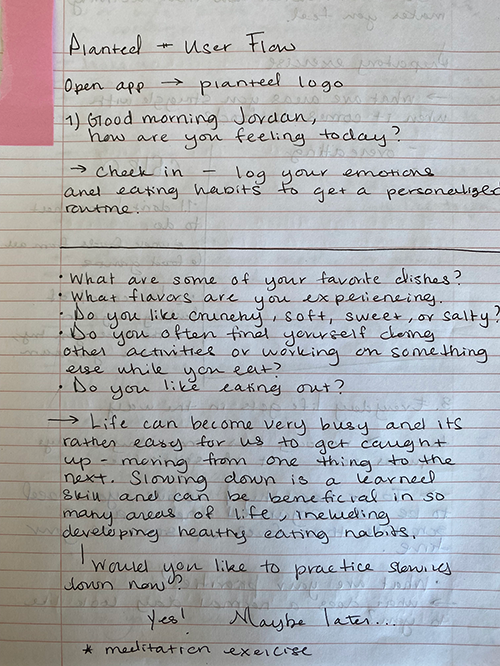
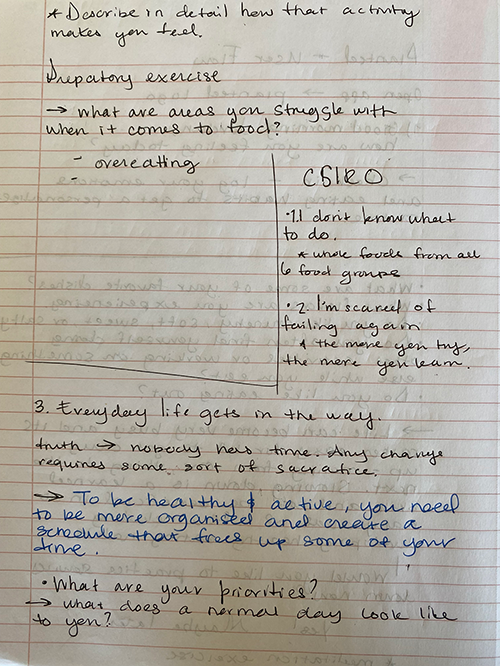
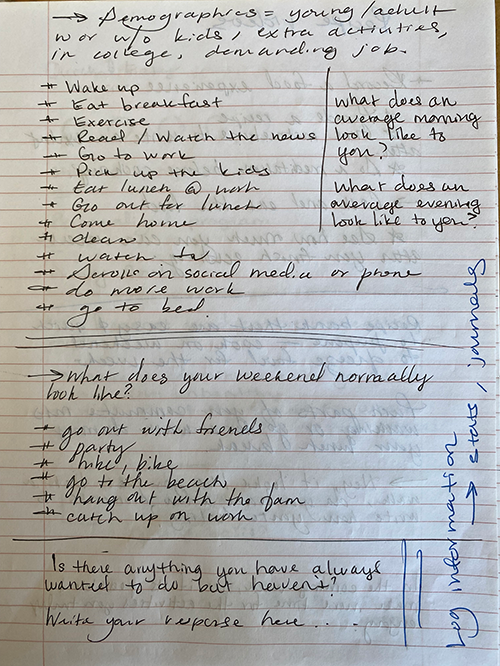
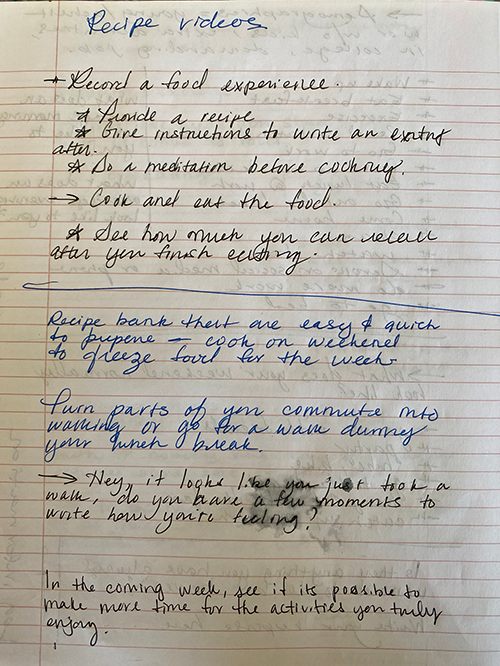
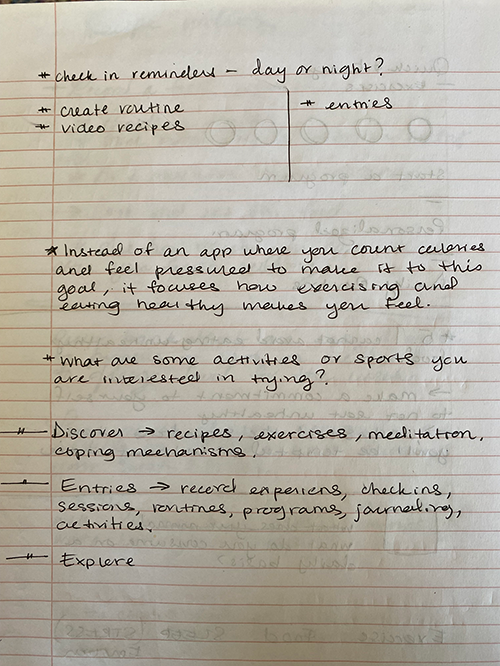
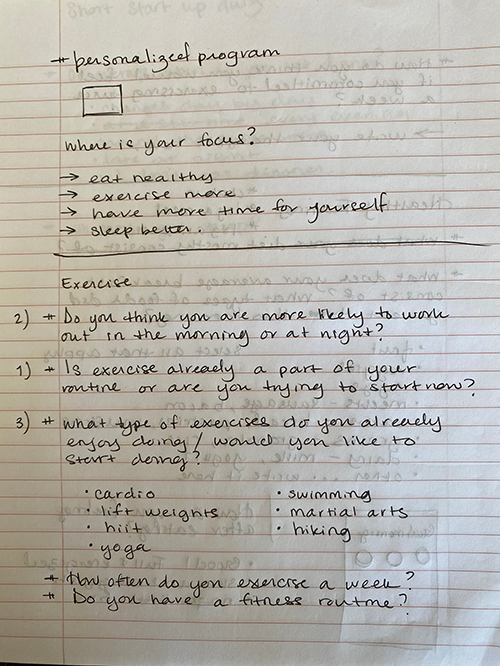
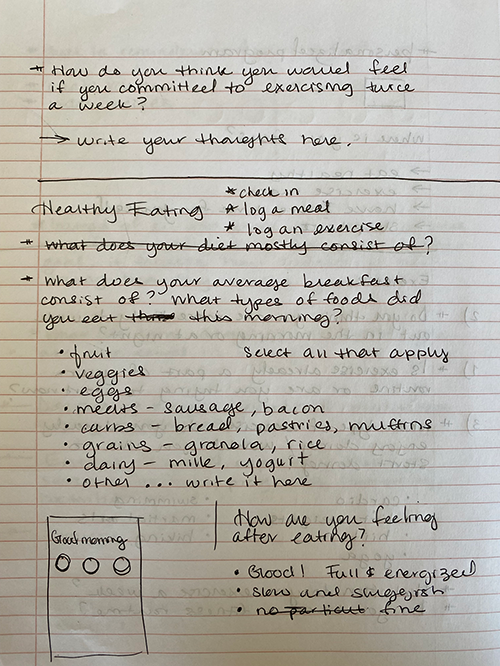
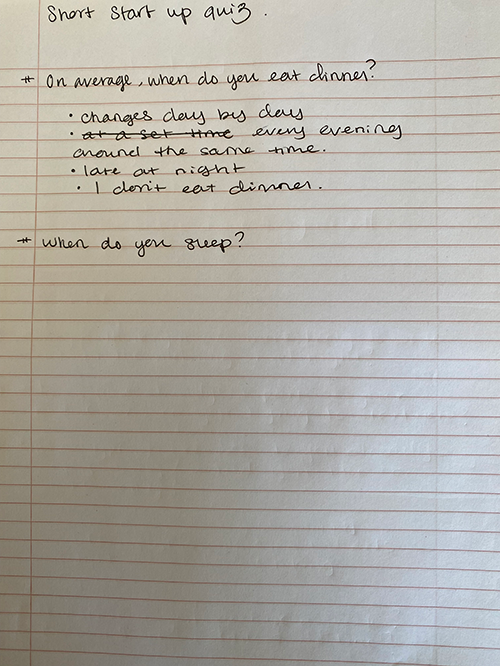
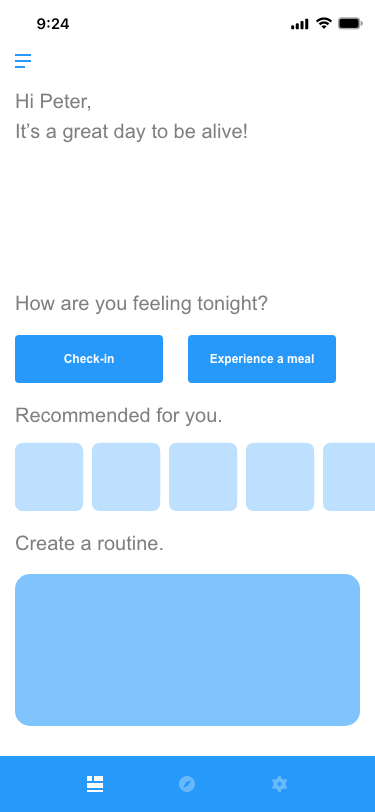
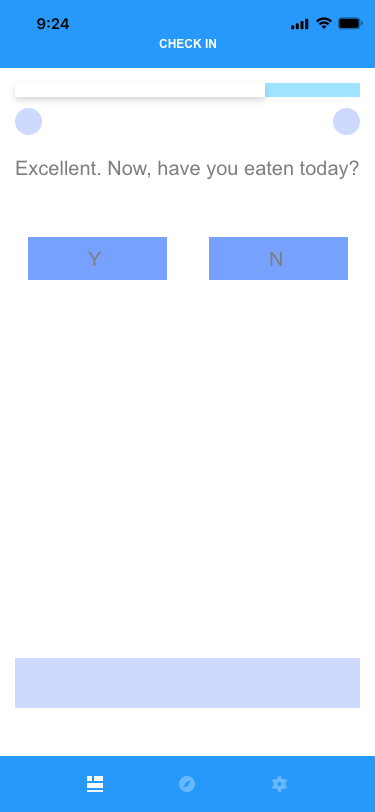
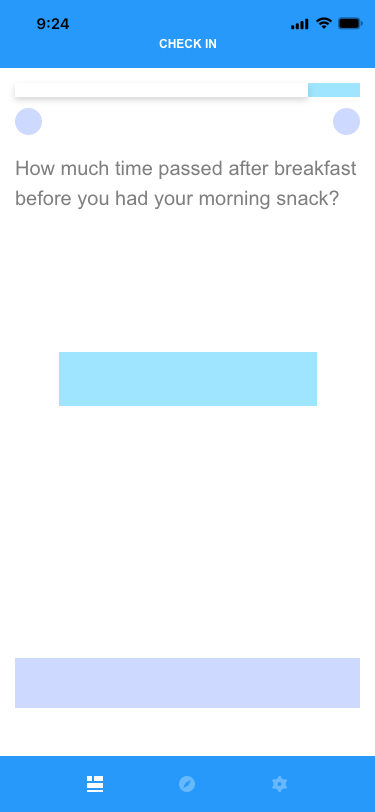
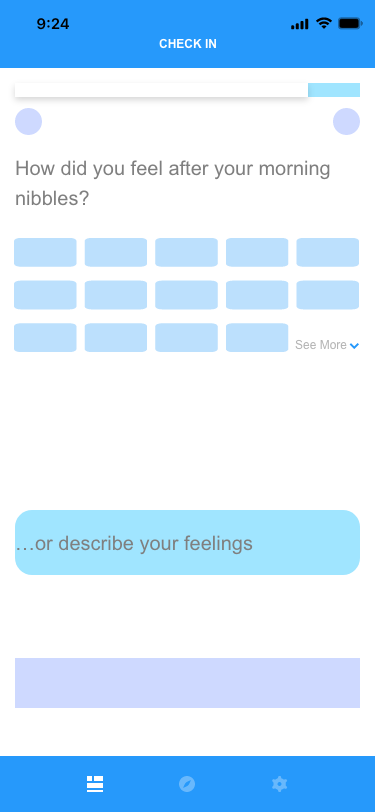
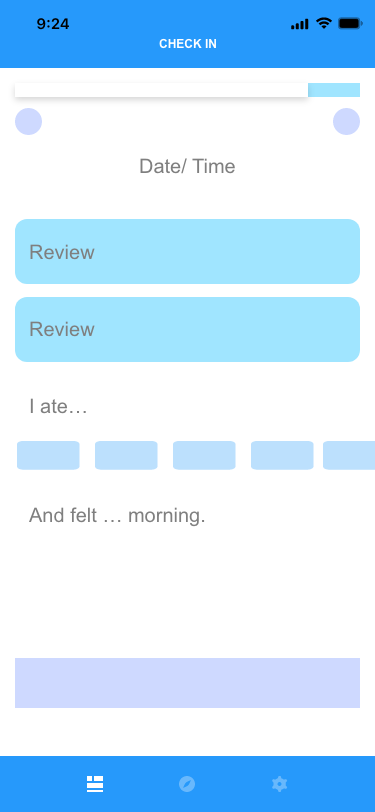
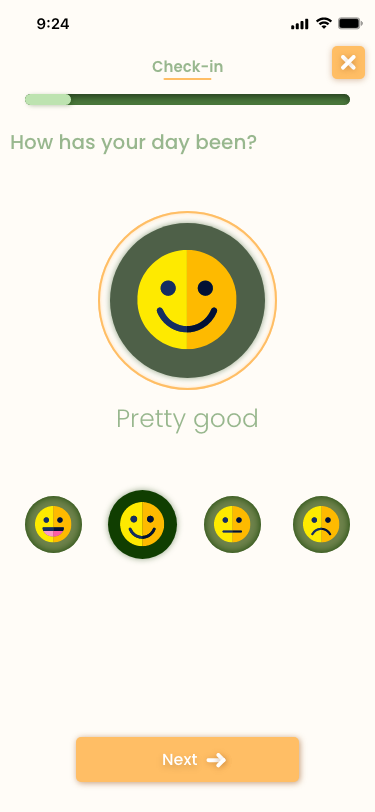
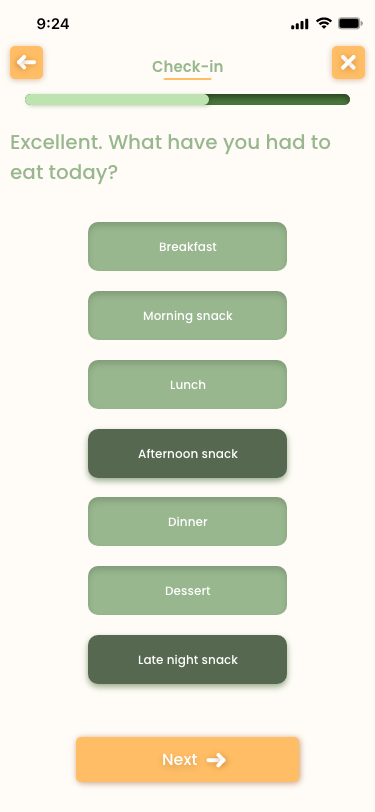
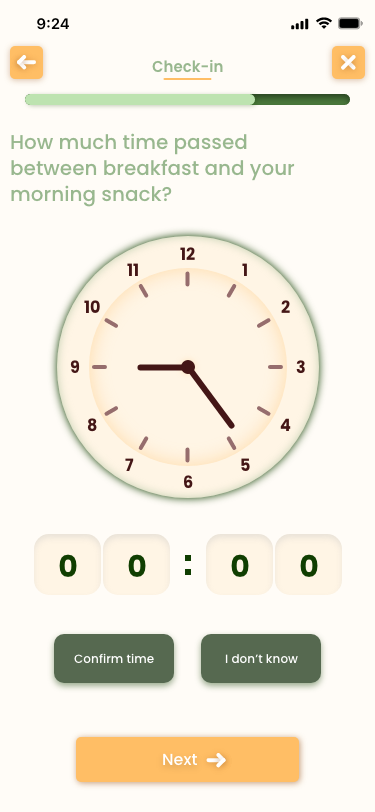
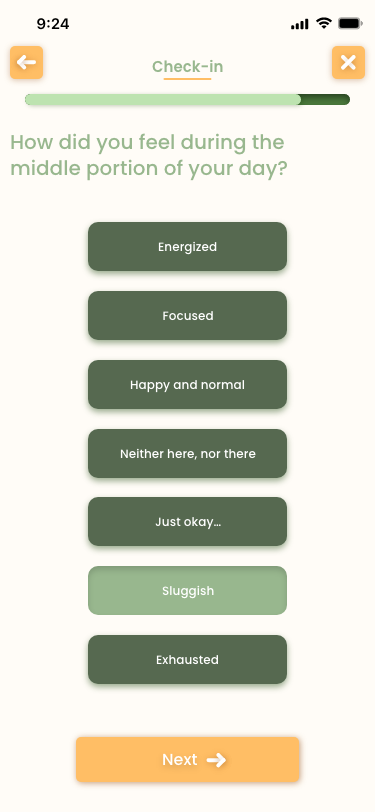
An app powered by Cognitive Behavioral Therapy (CBT) to promote long-term, healthy lifestyle changes. By using the planted platform, the user may begin ‘noting’ their actions when it comes to food and how it is related to other areas of their life such as stress, work, relationships, etc. Establishing this understanding promotes empowerment for the user and therefore the ability to make real change.
Losing weight can be extremely difficult and dieting is rarely a long term solution. “Quick fix” diets are not sustainable and can result in repeated failure that inevitably leads to disappointment and demotivation which can also be emotionally detrimental.
That’s because how much you weigh is controlled by complex interactions between hormones and neurons in your hypothalamus. Your hypothalamus is the part of your brain that controls thirst, hunger, and body temperature. These hormones and neurons influence your appetite and how much food you eat.
Many overweight people have built up resistance to a hormone called leptin. Fat cells in your body make leptin, and leptin tells your body when you have enough stores of fat, decreasing your appetite.
Some people can lose weight easily on their own through simple diet and exercise. But many popular weight loss techniques don’t work. Cleanses, fad diets, and crash diets don’t help most people lose weight in the long-term.

“Cognitive behavioral therapy (CBT) is a form of psychological treatment that has been demonstrated to be effective for a range of problems including depression, anxiety disorders, alcohol and drug use problems, marital problems, eating disorders, and severe mental illness. Numerous research studies suggest that CBT leads to significant improvement in functioning and quality of life. In many studies, CBT has been demonstrated to be as effective as, or more effective than, other forms of psychological therapy or psychiatric medications.
It is important to emphasize that advances in CBT have been made on the basis of both research and clinical practice. Indeed, CBT is an approach for which there is ample scientific evidence that the methods that have been developed actually produce change. In this manner, CBT differs from many other forms of psychological treatment”.
Learning to recognize one’s distortions in thinking that are creating problems, and then to reevaluate them in light of reality.
Gaining a better understanding of the behavior and motivations of others.
Using problem-solving skills to cope with difficult situations.
Learning to develop a greater sense of confidence in one’s own abilities.
Facing one’s fears instead of avoiding them.
Using role playing to prepare for potentially problematic interactions with others.
Learning to calm one’s mind and relax one’s body.
People suffering from psychological problems can learn better ways of coping with them, thereby relieving their symptoms and becoming more effective in their lives.
Psychological problems are partially based on faulty or unhelpful ways of thinking and/or learned patterns of unhelpful behavior.
CBT places an emphasis on helping individuals learn to be their own therapists. Through exercises in the session as well as “homework” exercises outside of sessions, patients/clients are helped to develop coping skills, whereby they can learn to change their own thinking, problematic emotions, and behavior.
CBT therapists emphasize what is going on in the person’s current life, rather than what has led up to their difficulties. A certain amount of information about one’s history is needed, but the focus is primarily on moving forward in time to develop more effective ways of coping with life.
“He who has health has hope and he who has hope has everything.” - Arabian Proverb
Peter lives a busy lifestyle. Today, he is working a double shift at the restaurant– breakfast and lunch. Therefore, after waking up, Peter gets dressed for work and has a bowl of cereal. About one hour later he is hungry again so he digs into the pastries and bacon set out for employees. It’s a really busy morning and lunch, Peter works straight through, only stopping to grab some water or use the restroom. After the final lunch rush he is super hungry so he orders a burger with french fries and each rather quickly. He finishes up his work and heads to the bar to grab some after shift drinks. Altogether, he consumes 4 beers and then goes home for the day feeling very sluggish. Back at his house, his girlfriend has made dinner, after that he has dessert and then heads to bed.